
What SDA Design Categories Mean for Investor Returns
 By
By
Robust, Fully Accessible, High Physical Support: What the Design Categories Mean for Your Investment
If you're researching SDA investments, you'll quickly come across the design categories: Fully Accessible, Robust, High Physical Support, and Improved Liveability. Understanding what these mean in practice matters, because the category directly affects what you build, who can live there, and ultimately what your property earns.
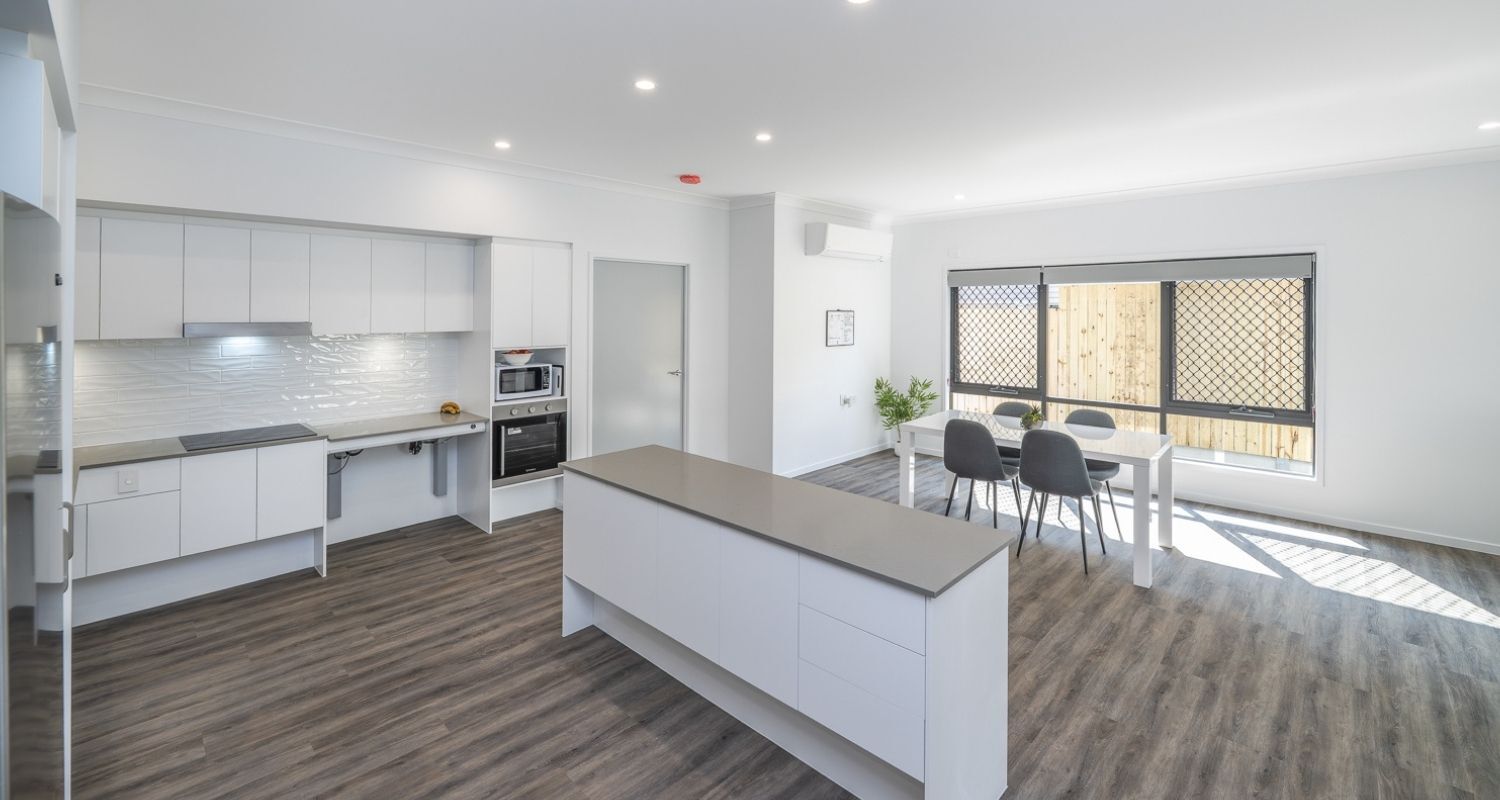
High Physical Support is currently attracting the most investor interest, and for good reason. These properties are purpose-built for participants with the most significant physical support needs and attract the highest SDA funding payments from the NDIS. The design requirements are substantial: provision for ceiling hoists, wider corridors, specialist bathrooms, assistive technology provisions, and structural features to support high-level care. The build cost reflects that, but so does the income. A 3-bedroom High Physical Support home with an OOA room in South East Queensland can generate between $149,000 and $217,000 gross per year, depending on location, occupancy and individual tenant funding levels. Building a High Physical Support home also means it is suitable for people with Fully Accessible and Improved Liveability Funding also, so the home will be suitable for the largest number of NDIS participants.
Fully Accessible properties sit at a slightly lower funding tier. Designed for participants with significant physical disability who use a wheelchair but don't require the same level of structural intervention, the yield profile is lower but building a Fully Accessible home means it won't be suitable for people with High Physical Support SDA funding.
Robust properties serve a different cohort: participants whose disability involves behaviours of concern. The design focus is on structural durability, including reinforced fixtures, reduced ligature points, and materials that hold up over time. These properties come with their own demand profile and tenanting considerations, and while they're not the right fit for every investor or location, in the right hands they can perform well.
The category you build determines the participant you can house, and therefore the funding you receive. It's not a decision to make after the fact. Working with an experienced SDA developer and provider before design is finalised ensures the property is built to the right standard, registered correctly with the NDIS, and positioned to attract the right tenants from day one.
At SDA Smart Homes, we guide investors through these decisions as part of the process. Getting the category right is foundational, because everything else flows from it.

.jpg)