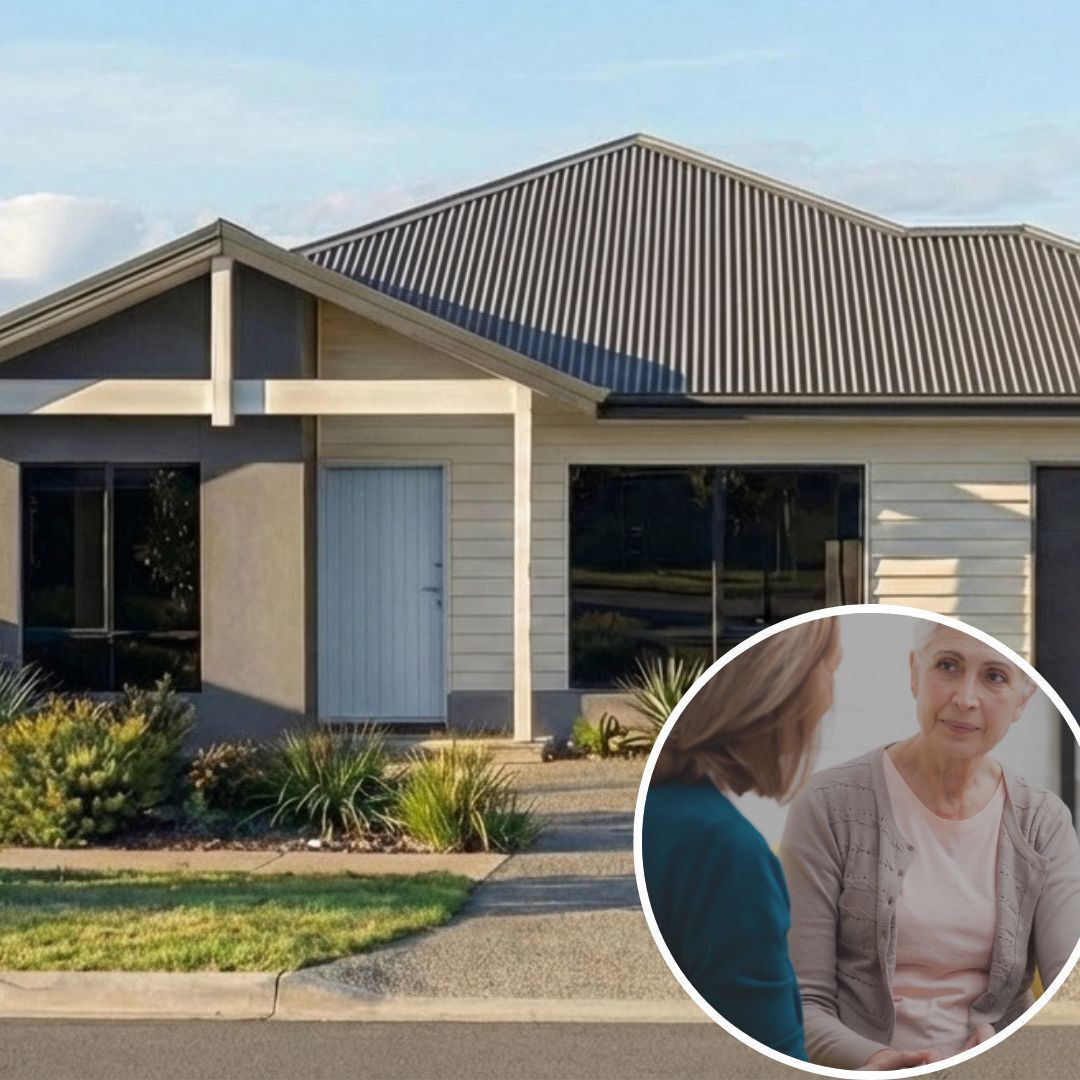

Structuring Memory Care Property Investment Portfolios in Australia
 By
By
Memory care property investing is a new, specialist asset class, sitting between traditional residential, healthcare and social infrastructure. For high-net-worth investors, SMSF trustees and professional capital, it offers a way to target long-duration income linked to a structural demographic trend, rather than the usual property cycle.
This publication is written for investors only. We are focused on the asset, the yield profile and portfolio construction. If you are looking for accommodation or care options, this is not a directory of services or current vacancies, and the SDA Memory Care Homes we discuss are part of a forward development pipeline with first completions anticipated from late 2027.
Positioning Memory Care as an Institutional-Grade Asset
Memory care refers to purpose-built property designed for people living with dementia or other cognitive impairment, including some with early onset conditions. It is distinct from:
-
General residential aged care facilities
-
Retirement villages and lifestyle communities
-
Standard residential housing stock
As an asset class, memory care has characteristics that appeal to institutional-style capital:
-
Long-dated tenant need driven by demographics, not sentiment
-
Specialised building design that is hard to replicate quickly
-
Operational intensity that rewards experienced managers
A memory care investment portfolio in Australia can give investors:
-
Exposure to an underserved demographic segment
-
Income that is linked to occupancy and accommodation fees
-
A separate return driver compared with traditional residential or office property investments
At SDA Smart Homes, we are developing Memory Care Homes as specialist memory care accommodation assets, with a focus on site selection, design and long-term asset management. Our focus is on forward pipelines, so investors can secure exposure now to assets that will complete from late 2027 onward.
Why Memory Care Demand Is Structurally Underserved
Current trends show a growing population living longer, with more people diagnosed with dementia and other cognitive conditions. There is also a noticeable group being diagnosed earlier in life, which adds complexity to care and accommodation needs.
On the supply side, investors face:
-
Limited stock of genuine purpose-built memory care accommodation
-
Legacy stock at aged care facilities that was not designed for modern cognitive care
-
Long development lead times for planning, funding and construction
This creates a clear supply-demand imbalance. For investors, that can mean:
-
Opportunity for first-wave capital before the asset class fully matures
-
Potential for strong utilisation where assets are well located and well run
-
A long runway of forward demand for new memory care capacity
It is important to be clear that this is about planning for future needs. Memory Care Homes are part of a development and pipeline opportunity, not a list of current accommodation options ready for immediate occupation.
Portfolio Construction, Yield Drivers and Risk Management
A memory care investment portfolio in Australia can be built in a structured, staged way, rather than as a single one-off asset. Typical portfolio features include:
-
Multiple assets across different cities and regions
-
A mix of metro and carefully selected regional locations
-
Staggered development timelines across a defined pipeline
-
Exposure to different operators and slightly different resident profiles
Strategic choices that investors often consider:
-
Metro vs regional: metro can offer depth of demand, regional can offer catchment dominance
-
Greenfield vs infill: new estates vs established areas with existing support services
-
Resident profile mix: including some early onset dementia crossover, which may influence design and service models
The revenue model is relatively simple at a high level. Residents, or their representatives, pay for accommodation in a way that is similar to entering a residential aged care facility. For investors, income is driven mainly by:
-
Occupancy and length of stay
-
Fee structures aligned to the level of accommodation and support
-
Efficient cost management by the operator, supported by good building design
Key yield drivers include:
-
Purpose-built design that supports safe, appropriate care and high utilisation
-
Locations matched to real demographic catchments and referral patterns
-
Disciplined operator selection and ongoing asset management
From a portfolio perspective, memory care can sit alongside:
-
Core residential, but with different demand drivers
-
Healthcare property, but with a more focused cognitive care profile
-
Defensive income allocations, with a tilt toward long-duration exposure
Every specialist asset comes with risk, and memory care is no different. Key risks and common mitigation approaches include:
Vacancy and demand risk
-
Upfront catchment analysis and demand modelling
-
Preferring locations with clear demographic drivers and limited competing stock
-
Partnering with experienced operators who understand referral flows and care needs
Regulatory and policy risk
-
Ongoing changes to standards, accreditation and reporting expectations
-
The need for strong governance, documented processes and specialist compliance skills
Development and timing risk
-
Construction risk, cost increases and planning approval timing
-
Managing this through a staged pipeline, conservative assumptions and careful builder selection
For investors, the timing of Memory Care Homes, with first completions from late 2027, can be an advantage. It allows capital to be committed now, while integrating expected capital calls and cash flows into long-term portfolio planning.
Portfolio Role, FAQs and Practical Allocation Thinking
Positioned correctly, a memory care investment portfolio in Australia can complement existing allocations rather than compete with them. Investors often consider:
-
Inflation-resilient income anchored by long-term demographic need
-
Lower correlation with the usual residential price cycles
-
Exposure to a sector with high barriers to entry given specialist design and operations
When considering allocation sizing, many high-net-worth and SMSF investors think about:
-
Minimum effective exposure, often starting around a few hundred thousand dollars
-
Concentration limits at the overall portfolio level
-
Liquidity needs and how staged capital deployment into a pipeline fits their plans
Professional asset management, transparent reporting and structured operator oversight are important. These help maintain institutional-quality standards and give investors clarity on:
-
Occupancy and utilisation
-
Income and expenses at the asset level
-
Compliance status and any operational changes that could affect returns
Common investor questions include:
What differentiates memory care from general aged care or retirement living?
Memory care assets are designed specifically for people with cognitive impairment, with layouts, safety features and support spaces tailored to those needs. This is a more specialised design and operating model than general aged care or retirement villages.
What is the typical investment horizon and how does this fit SMSF and intergenerational strategies?
Memory care is generally a long-term, income-led allocation. Many investors think in terms of holding through full development, stabilisation and mature income periods, which can line up with SMSF and family wealth time frames.
How is income distributed and what affects net yields?
Income is usually distributed from net rental or accommodation income after operating costs at the asset or vehicle level. Major cost lines include maintenance, compliance, insurance and any asset management or operator expenses specified in the structure.
How do investors assess location quality and demand fundamentals?
This often involves catchment mapping, population and diagnosis trends, existing supply audits and an understanding of referral networks. Experienced specialist partners can support this analysis.
What level of involvement is required once capital is committed?
Most high-net-worth and SMSF investors prefer an institutional-style structure, where day-to-day operations and compliance are handled by specialist managers, with regular reporting and defined decision rights at investor level.
How do pipeline timing and staged completions affect capital calls and cash flow?
With a forward pipeline, capital is usually drawn in stages that reflect site acquisition, development and construction milestones. Income typically ramps up after completion and lease-up, so investors plan for a period of capital deployment before stable cash yields are established.
Positioning Memory Care as a Forward Allocation Opportunity
Memory care as an asset class is still early in its institutional adoption curve in Australia, even though the demographic need is clear and growing. For investors, that creates a window to build a considered allocation now, anchored in:
-
Structural undersupply of purpose-built specialist dementia accommodation
-
Demographic tailwinds across ageing and cognitive impairment
-
Specialist design, operations and asset management
-
Income-focused, long-duration exposure with diversification benefits
Memory Care Homes are being delivered through a forward development pipeline, with first completions expected from late 2027. For investors building a memory care investment portfolio in Australia, that timing allows for structured forward commitments, staged capital deployment and integration into long-term portfolio strategy and intergenerational planning.
Secure Sustainable Returns While Supporting Quality Memory Care
If you are ready to align your capital with a socially responsible strategy, explore how our specialised memory care investment portfolio in Australia can fit your long-term goals. At SDA Smart Homes, we design and manage assets that prioritise resident wellbeing while targeting stable, inflation-resilient income for investors. We will walk you through the numbers, the compliance framework and the practical steps to get started. To discuss your options in detail, simply contact us and we will respond with a tailored outline for your situation.
For memory care accommodation enquiries, visit dcca.com.au

.jpg)