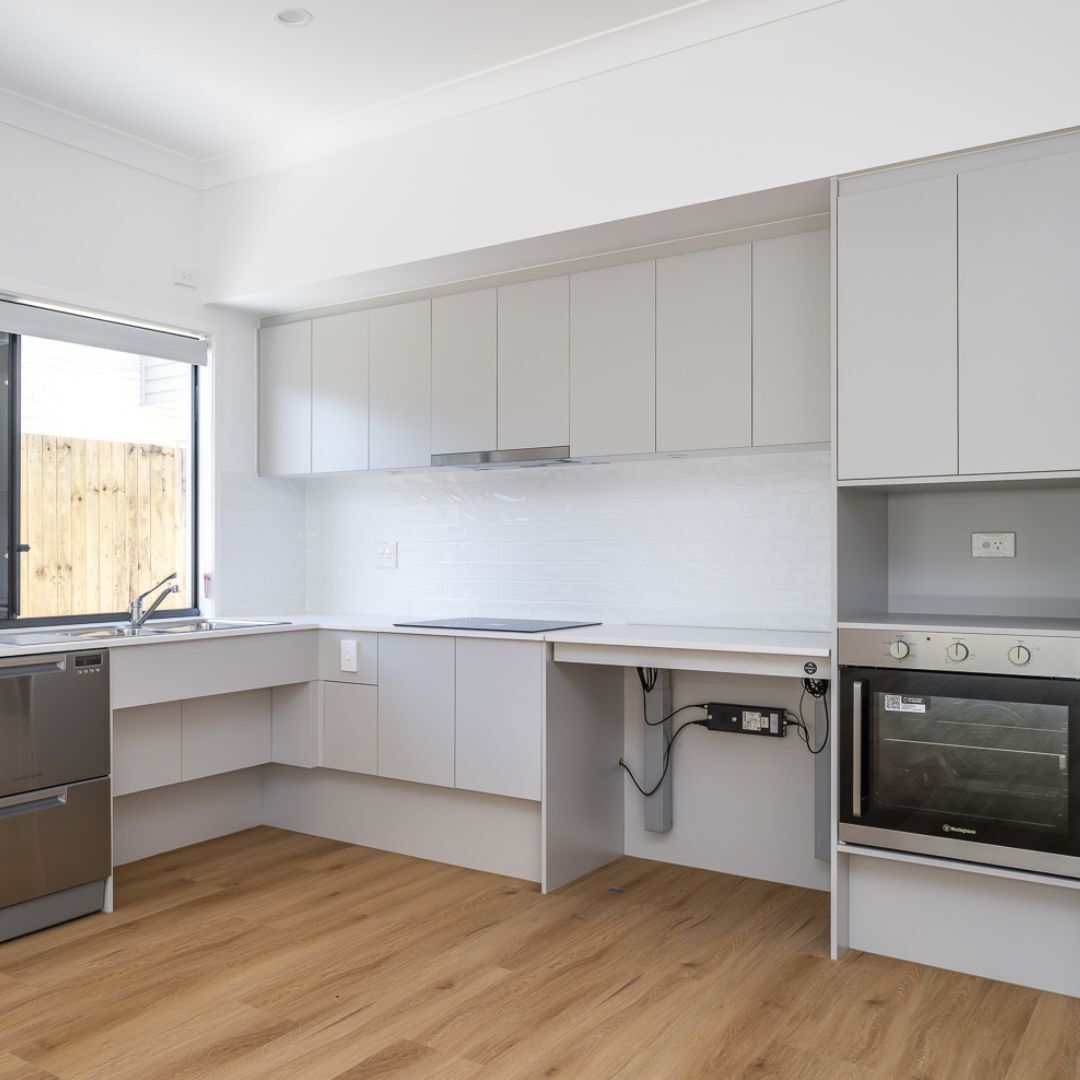

Memory Care Construction and Capital Investment
 By
We have written this for investors, SMSF trustees and professional capital deployers assessing SDA Smart Homes’ Memory Care Homes as a specialist property investment. A forward commitment is not the purchase of completed stock, nor is it a pooled interest in a group of properties. You select an individual freehold Memory Care house-and-land package, own it outright as your investment property, and enter our forward development pipeline.
Homes are developed as investors come on board. Delivery remains subject to development progress, council approvals and construction, with the earliest possible completions expected from late 2027. The investment question is therefore about timing, asset positioning, potential yield, diversification and access to Memory Care as a new asset class in a supply-constrained sector.
Supply Constraints Create a Forward Entry Case
Memory care home development opportunities need to be assessed through a supply-and-demand lens. Public demographic and aged care market reporting consistently points to a growing older population, increasing demand for dementia-specific accommodation, and a well-documented shortage of suitable aged care capacity.
The Australian Institute of Health and Welfare’s Dementia in Australia report, updated in 2024, estimates that around 421,000 Australians were living with dementia in 2024 and projects this figure to exceed 812,000 by 2054. Separately, the Australian Government’s Aged Care Service List at 30 June 2024 recorded approximately 216,000 operational residential aged care places nationally. These figures are not a direct measure of required Memory Care places, as not every person living with dementia requires residential accommodation, but they demonstrate the scale of the demand base relative to existing capacity.
Supply is also constrained by the time required to identify suitable sites, secure planning approvals, meet specialist design and compliance requirements, and construct new accommodation. The Royal Commission into Aged Care Quality and Safety’s Final Report, released in 2021, identified the need for substantial additional residential aged care capacity over coming decades as population ageing increases demand. For capital deployers, the relevant issue is whether purpose-built specialist accommodation can be delivered at a pace that keeps up with that demand.
Conventional residential property is generally designed for the broad rental market. Purpose-built specialist accommodation serves a different need and requires a different investment assessment. The opportunity is not simply that demand may grow, but that suitable accommodation may remain difficult to deliver at the pace required.
For investors, this creates a reason to examine the pipeline before construction milestones are reached. Early-stage entry may allow you to assess the property, land, development pathway and broader market setting before the home is completed. It does not mean immediate availability, an accommodation placement or a guaranteed tenancy outcome.
Capital directed towards purpose-built Memory Care Homes may provide two linked considerations:
-
Exposure to an underserved specialist accommodation sector
-
Potential for a differentiated income-producing property asset
-
Portfolio diversification beyond standard residential property
-
A social-impact position through helping expand sought-after dementia accommodation
We encourage investors to separate the demand case from the delivery case. Demand can support a long-term investment thesis, while approvals, construction and operating arrangements still determine whether an individual project reaches its intended outcome.
Individual Ownership and Specialist-Asset Risk
Our ownership model is straightforward. You select an individual Memory Care house-and-land investment and own that property freehold and outright. You are not buying a share in a pooled portfolio of homes, and your investment outcome relates to the individual property and its final project structure.
That structure may create a different income thesis from a standard residential investment. A Memory Care Home is designed for a specialist accommodation use rather than broad-market tenancy. Residents pay for accommodation the same way they would when entering a residential aged care facility.
Before making a forward commitment, we recommend a property-specific review of:
-
Projected yield and holding assumptions
-
Site selection and local supply-demand conditions
-
Property design and specialist accommodation suitability
-
Operating arrangements and long-term asset positioning
-
Planning, compliance and delivery risks
Pipeline timing is often the first concern. Development progress, council approvals, construction capacity and market conditions can affect completion dates, including where the earliest possible completions are expected from late 2027. Investors should plan capital around a range of timing scenarios rather than treating any delivery date as fixed.
Vacancy also requires specialist-asset underwriting. The key questions include whether the local market supports demand for purpose-built Memory Care accommodation, whether the design is suitable for its intended use, and whether the operating model is credible over the long term.
Regulatory settings matter as well. Aged care policy, planning requirements, building compliance and future changes may affect operating assumptions or income forecasts. No yield, rental income, tenancy result or construction date should be assumed as guaranteed. Conservative modelling, staged capital planning, legal and tax advice, and broader portfolio diversification can help you assess those risks with clearer eyes.
Position Memory Care Alongside Core Property Assets
Memory Care is a new asset class that may sit alongside conventional residential, commercial and income-focused property holdings. Its investment case rests on specialist asset positioning, demographic demand and exposure to an underserved sector, not on a short-term residential resale thesis.
For investors with significant residential exposure, a purpose-built Memory Care Home may be worth assessing as a diversification option. In some circumstances, it may be considered as an alternative to retaining an underperforming residential asset, with potential for higher income or yields than standard residential property. That potential depends on the property, location, operating structure and market conditions.
Investors who already hold suitable land may also explore a Memory Care development, subject to a suitability assessment, planning considerations and project feasibility. The land itself is only one part of the equation. Design, approvals, demand evidence and delivery planning all need close review.
September is often a practical time for capital allocation work after year-end reporting. It can give you space to review portfolio concentration, speak with your accountant and SMSF adviser, consider tax and legal structures, and reserve capital before future development milestones. A forward commitment should be treated as a long-term specialist property decision, with patience and disciplined due diligence built into the plan.
Position Capital Ahead Of The Development Pipeline
At SDA Smart Homes, we help investors assess a forward pipeline of individual freehold Memory Care house-and-land investments, with earliest possible completions from late 2027. Learn about memory care home development opportunities that may strengthen portfolio diversification through a supply-constrained specialist asset class. To discuss suitable entry points, development timing and risk considerations, contact us.
FAQs
What Does A Forward Commitment Mean?
A forward commitment means you are assessing a development pipeline opportunity before construction, rather than acquiring completed stock. We develop homes as investors come on board, and the earliest possible completions are from late 2027, subject to development progress, council approvals and construction.
This approach may suit investors who are comfortable assessing timing risk and specialist-asset assumptions before a property is complete. It is not a short-term purchase of a ready-to-occupy residential home.
Do I Own An Individual Property Or A Share Of A Portfolio?
You select and own an individual freehold Memory Care house-and-land property outright. This is not a pooled investment structure. Your assessment should focus on the particular land, house design, development pathway and operating assumptions associated with that property.
Where appropriate, you may also explore developing on land you already own, provided the land is suitable and the project is feasible from planning, design and investment perspectives.
How Should Investors Assess Memory Care Home Development Opportunities?
We recommend a disciplined review covering site suitability, local supply-demand imbalance, projected yield, delivery timing, planning risk, regulatory considerations, legal structure and portfolio fit. Your accountant, financial adviser, SMSF adviser, legal adviser and property due diligence process should all form part of that review.
The practical takeaway is simple: assess Memory Care as a long-term specialist property investment. A considered forward commitment weighs potential income and diversification against the real risks of timing, regulation, construction and occupancy.
Register your investment interest at sdaSmartHomes.com.au
Download the investor information pack
For memory care accommodation enquiries, visit dcaa.com.au