Improving the lives of young people with disability through SDA
 By
By
Placing young people with disability in aged-care facilities is widely recognised as poor practice. International human-rights frameworks such as the United Nations Convention on the Rights of Persons with Disabilities emphasise the right to live independently and be included in the community. Best practice therefore focuses on transition pathways that provide appropriate housing, tailored supports, and genuine choice for young people living with disability.
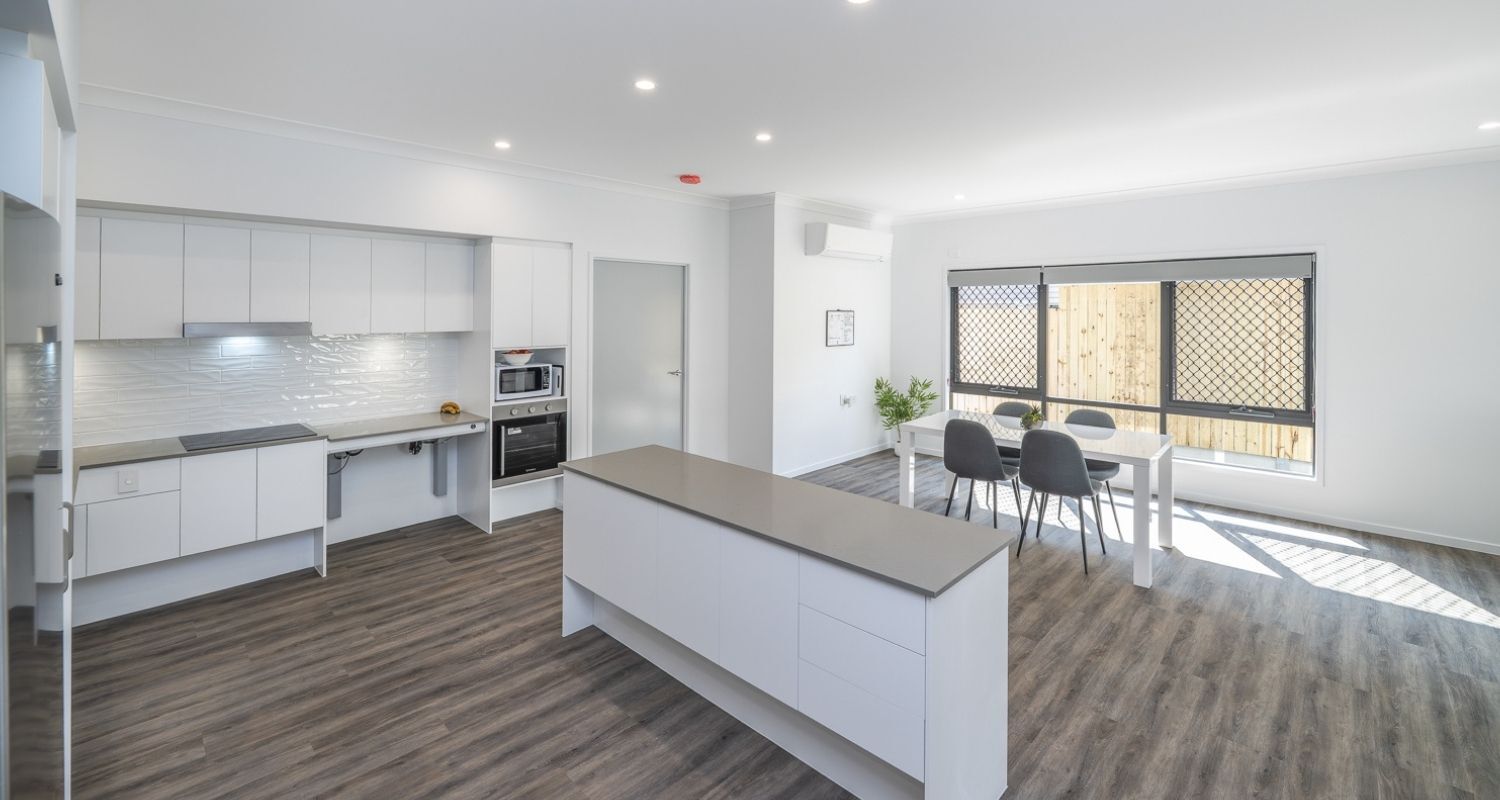
Purpose-built, accessible homes located within the community enable independence while still allowing high levels of support. Australia’s National Disability Insurance Scheme (NDIS) funds Specialist Disability Accommodation (SDA), providing dwellings designed for people with extreme functional impairment or very high support needs.
SDA homes typically feature assistive technology, accessible design, and support staffing models that allow residents to live safely outside institutional settings.
Evidence shows that younger residents who move from aged care into SDA experience improved quality of life, autonomy, and social participation.
Internationally, Sweden offers another strong example of providing appropriate housing for young people living with disability. Following deinstitutionalisation reforms, municipalities developed small, community-based group homes and personal assistance schemes that enable people with complex disability to live independently rather than in nursing homes. These services emphasise autonomy, participation, and integration into everyday neighbourhood life, aligning with UN guidance on community living.
Importantly, best practice requires cross-sector coordination between health, housing, and social-care systems along with sustained funding. Without all three elements, transitions often fail.
Looking at the outcomes of programs and initiatives that have focussed on providing accessible housing solutions for young people with disability, as alternatives to aged care facilities, the evidence is clear: young people with disability thrive when supported to live in accessible community housing with personalised supports. Programs such as Australia’s SDA and Sweden’s municipal group homes demonstrate that moving out of aged care is not only possible but transformative when implemented effectively.
Sources
- Australian Institute of Health and Welfare — Younger people in residential aged care
- Royal Commission into Aged Care Quality and Safety — Research papers on younger people in aged care
- European disability policy literature on community living and deinstitutionalisation (Sweden example)